Could your cooking skills use a tune up?
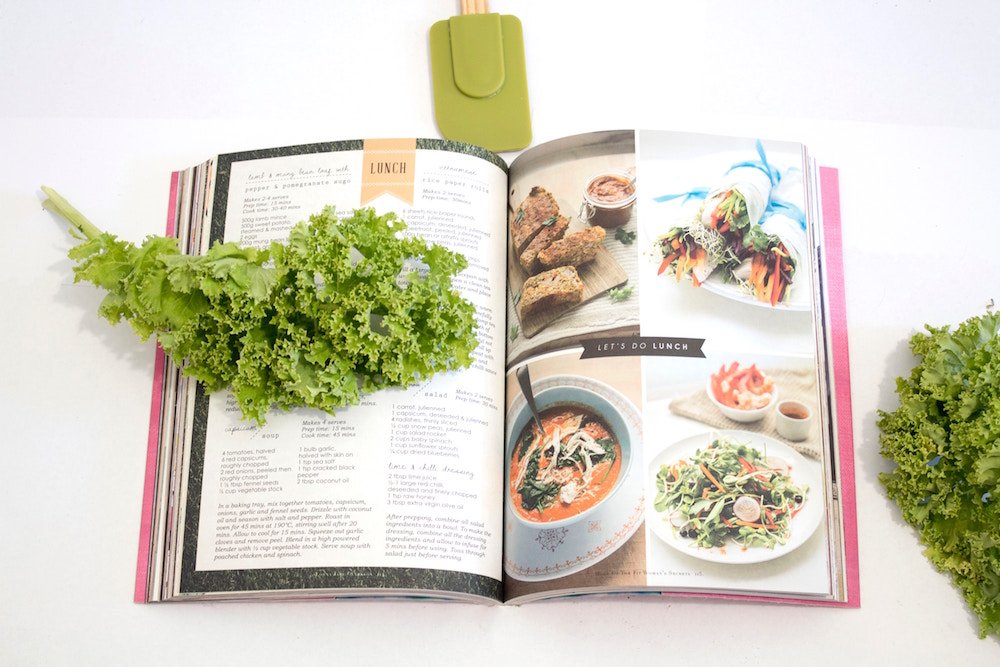
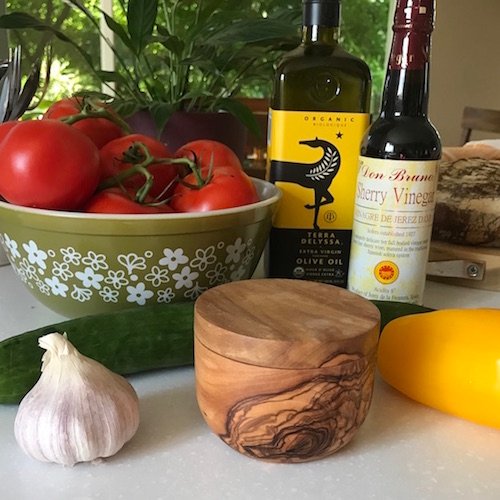
Cooking more at home thanks to coronavirus? Has this revealed some gaps in your kitchen skills? Here are some of my favorite resources for gaining more competence (and confidence) in the kitchen.

Cooking more at home thanks to coronavirus? Has this revealed some gaps in your kitchen skills? Here are some of my favorite resources for gaining more competence (and confidence) in the kitchen.
Can you practice intuitive eating during a pandemic? Yes...and in some reasons, intuitive eating is more relevant than ever right now.
When running to the store isn't a realistic option, this recipe for an easy grain salad can answer the question, "What kind of easy side dish I can throw together quickly?"
A delicious, nutritious, fresh and flavorful soup from pantry ingredients? Yes indeed! Just don't wear white while you make it (trust me).
Life in the age of coronavirus is not what anyone would have chosen. Is it possible to take the lemons we've been handed and make some lemonade?
It's easy for coronavirus anxiety to send you spiraling. While it may sound strange, cultivating acceptance can calm you and let you do what needs to be done.
How do you practice self-care when dealing with the uncertainty of coronavirus? Be mindful of what media you're consuming, find ways to stay connected with others, and nourish yourself the best you can (foodwise and otherwise).
It’s a comment I hear a LOT: “I can’t stop eating!” It’s easy to think that you are somehow broken if you find yourself feeling out of control around food, but you’re not. That doesn’t mean that something doesn’t need to change.
Why diet culture causes harm to everyone, even if you've never dieted. How? By impacting relationships, affecting how you view food and your body, and warping your view of what it means to be healthy.
'Diet culture' isn't just about dieting. Even if you have never diet culture affect you. I explain what it is, and where it hides.
Why did The New York Times perpetuating weight stigma with a completely unnecessary, unhelpful article that covers territory already trod countless times before?
When asking, “Why cultivate mindfulness?” first consider that when our default is mindlessness, it’s easy to be controlled by our thoughts and not even notice.
Do you experience guilt about eating? When we feel guilty about what we're eating, we can easily slip into mindlessness. Both the guilt and the mindlessness ironically detract from whatever pleasure and satisfaction we might feel, contributing to overeating.
Mindfulness is experiencing some backlash lately, but I think the dismissal of mindfulness is based on the unfortunate co-opting of the term, which in many people may contribute to the pursuit of being “perfect” about being mindful. As in other endeavors, don't let perfection be the enemy of the good.
(Includes some important 2022 updates!) Diets in disguise...they’re everywhere. But increasingly, diet promoters have turned to gaslighting by verbally jumping on the “non-diet” trend, then promoting what is in fact a diet while telling you it’s not. Well, if it looks like a duck, swims like a duck, and quacks like a duck, it’s probably a duck.
When did “exercise” go from being a leisure activity to something pursued as seriously as a college degree or job promotion? It’s time to bring back enjoyable exercise...especially if we want to stay active for life!
Morning rituals can be anything that helps ground you and ease you into your day. Anything that helps you care for body and mind. If you don't have a morning ritual, why not create one?
I’m not a fan of New Year’s resolutions. That said, there just are certain times of the year that seem to present us with a metaphorical blank slate and cry out for some grand gesture. Enter...New Year's intentions!
In this season of giving, I encourage giving not only to others, but to ourselves. I think this is especially important for people who tend to give of themselves to others year-round, whether by nature or vocation. Remember, self-care isn’t selfish.
Do questions like "How can you possibly be hungry already? I’m still full from breakfast/lunch" bother the bejeezus out of you? Why you don't have to justify your hunger to anyone.
Something I take seriously, whether I’m talking one-on-one with a clients or writing an article or blob post, is myth-busting. There is a lot of misinformation (read: myths) about nutrition and health out there, and I don't want you to be spending your time and money chasing magic bullets that aren't so magic after all.
As we approach the holiday season, I want to give a shout out to a not-so-little thing called mindfulness. Specifically, how mindfulness can make us happier, which is ALWAYS a good thing, but feels especially timely right now.
This is Part 2 of a two-part post. Part 1 is about what we lost
What I learned from a session on intuitive eating at a conference in Philadelphia, in a massive ballroom full of other dietitians. Plus, an invite to my new Facebook group!
This is Part 1 of a two-part post. Part 1 is about what we lost
I first fell in love with Annie's mac and cheese, specifically Annie's Alfredo Shells &
It's Weight Stigma Awareness Week, and in honor of that, I've put together a round-up of articles and blog posts I've written (and one podcast I've appeared on) about this important topic.
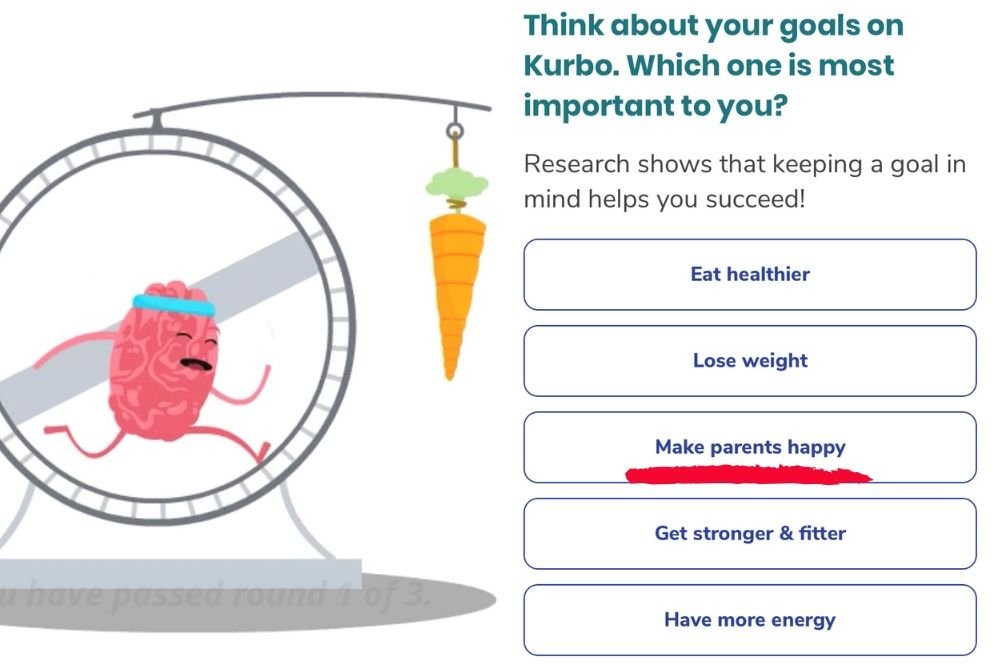
In case you haven’t read it yet, I wrote about WW’s—the company formerly known as Weight Watchers—weight loss app for kids, Kurbo, in this week's issue of The Seattle Times. Here’s some backstory, as well as some outtakes—aka quotes from my experts that I had to leave on the “cutting room floor.”
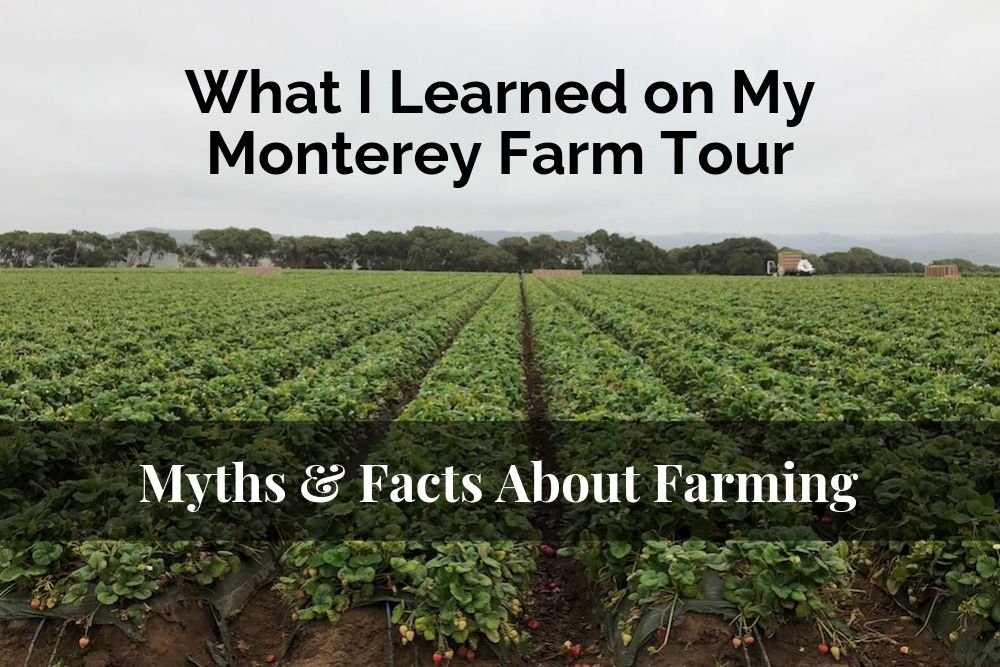
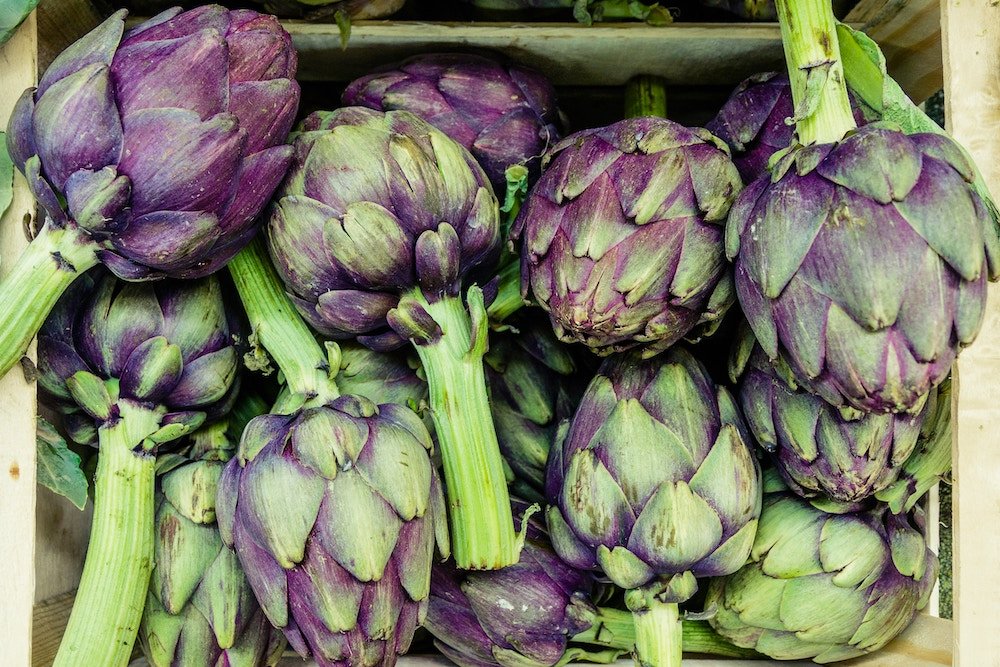
Last week, I got to tour several farms in California (berry, artichoke, celery, romaine and iceberg). Here, I share what I learned.
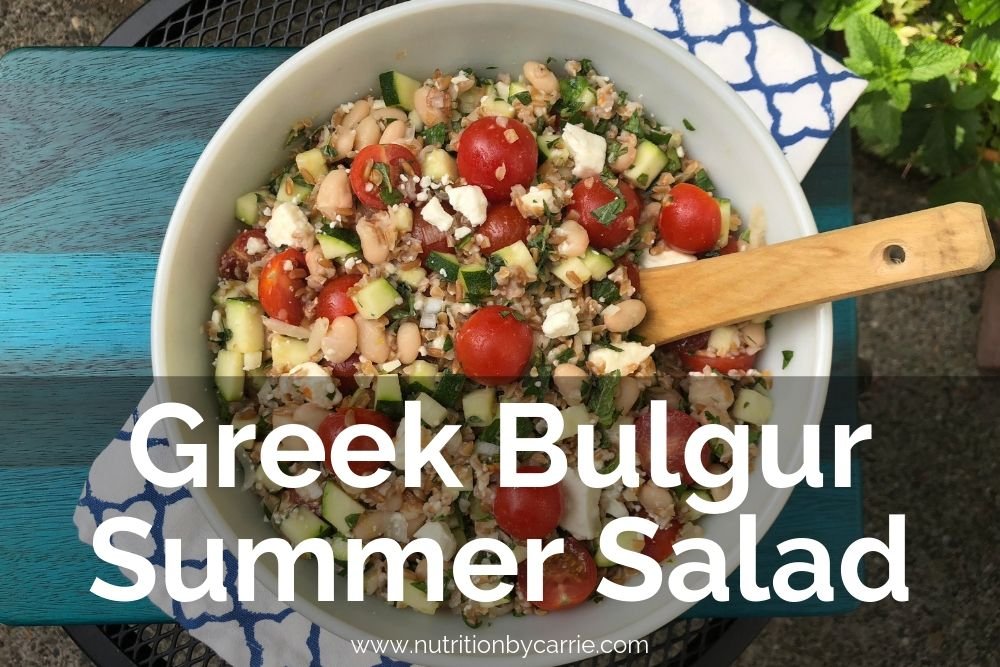
This salad is kind of like a riff on tabouli, with the addition of white beans for a bit of protein (and more fiber) and oregano instead of mint.
Do you find that you have the best of intentions about, say, eating more mindfully or going for more walks, and maybe actually start to make a few changes, only to resume the very behaviors that are getting in the way of living a satisfying, fulfilling life?
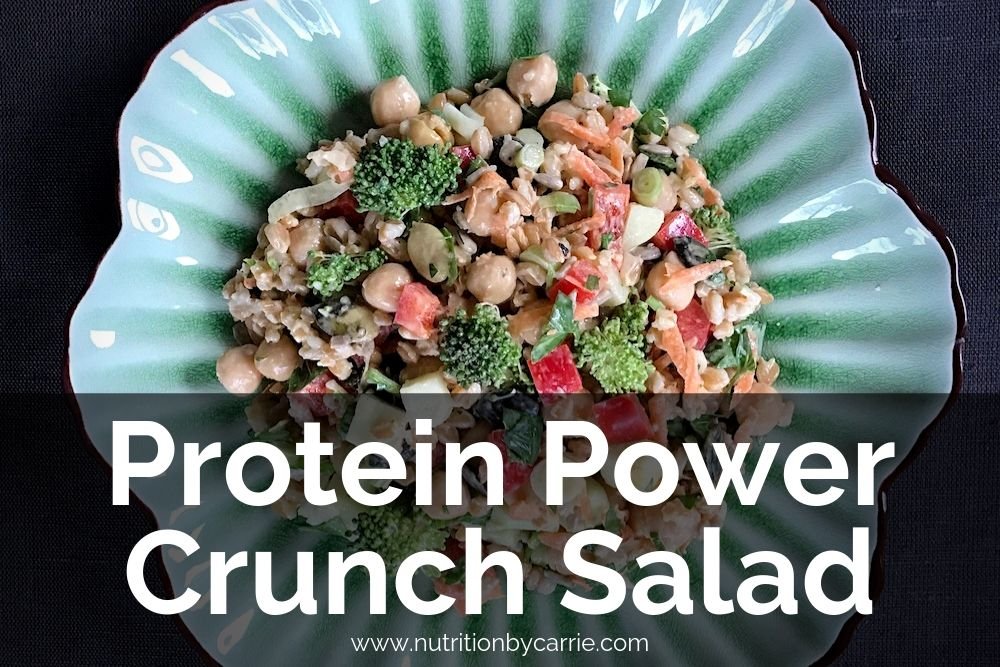
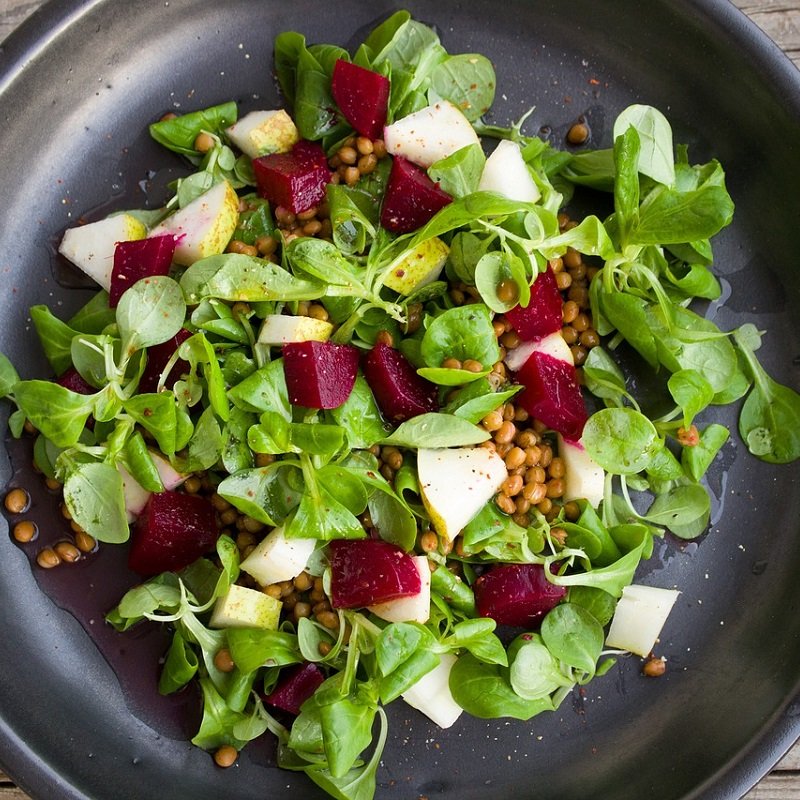
This light-but-hearty, highly textured salad that is refreshing and satisfying when the weather is hot, but substantial enough to be a good year-round go-to. One of my favorite parts? It keeps well for lunch leftovers.
Want to know what simultaneously breaks my heart and makes me want to punch something? When I hear the stories of stigma, shame and self-doubt my clients experience simply because they have the audacity to walk this earth in a body that is deemed larger than what’s appropriate.
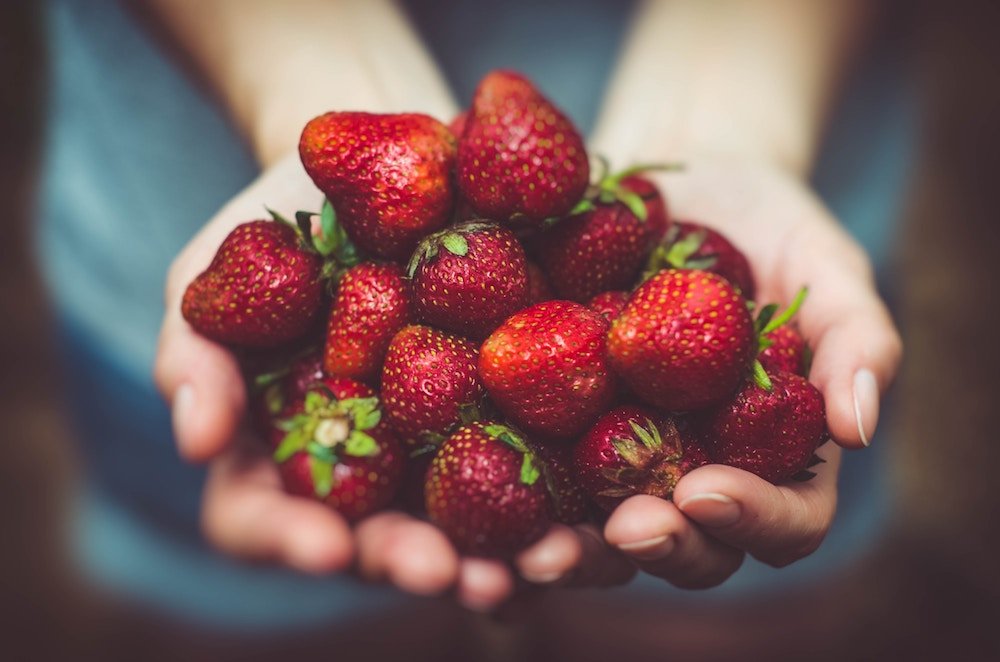
When you try to eat as local and seasonal as possible in northern climates like the Pacific Northwest, summer is a gift. Our Northwest summer produce is bursting with flavor and. Even better, it’s packed with nutrients. Your taste buds get what they want and your body gets what it needs.
One of the original ideals of feminism was that we were supposed to stop evaluating women on the basis of their physical appearance. Instead, society has continually upped the ante. This can lead to eating disorders.
Perfectionism can be strongly related to eating disorders because the drive to be (or appear) perfect can trigger disordered eating patterns at various points along the spectrum. This could mean anything from occasional emotional/stress/comfort eating to orthorexia to full-fledged eating disorders.
I don't have kids, but I feel super strongly that parents, doctors, teachers and other adults should not comment on children's weight. Here are the many reasons why.
There are a billion reasons to exercise. When weight and appearance is your prime exercise motivation, what happens might not be what you wished for.
Fiber. We need it, but most of us are not getting enough of it. Why we need it (especially prebiotic fiber) and where to get it...even if you have IBS.
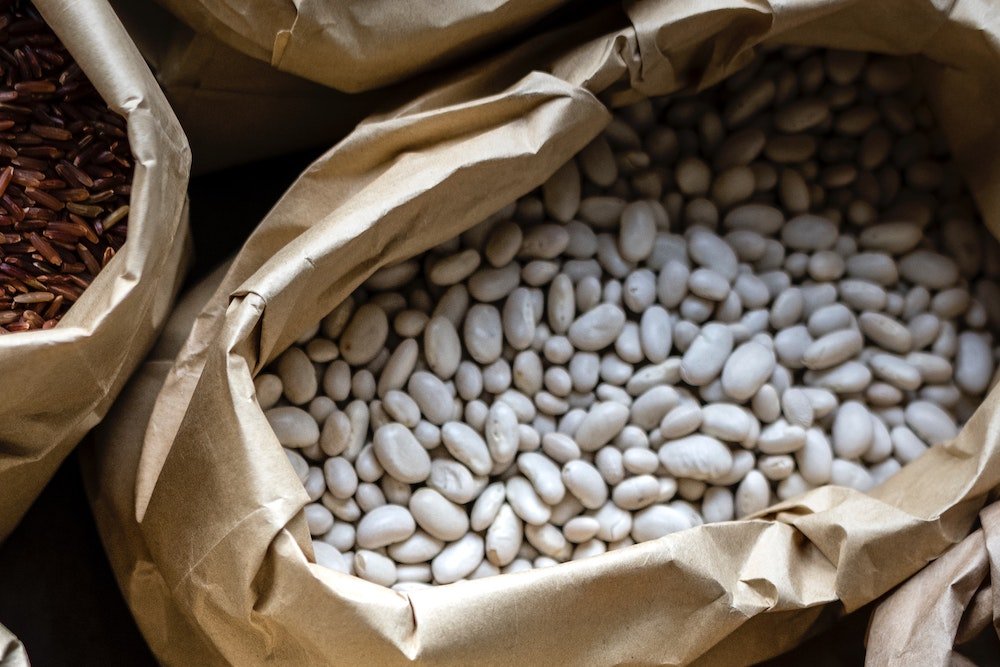
Are white beans the little black dress of the pantry? Maybe! Lately, I've been using dried beans as much as possible, but I always keep some canned white beans on hand for the 10 reasons I'm going to tell you about.
There’s a lot of interest in Intuitive Eating, and while learning to become an intuitive eater again can be hard work, it’s unnecessarily hard, not to mention frustrating, when would-be intuitive eaters fall into one of these three common traps.
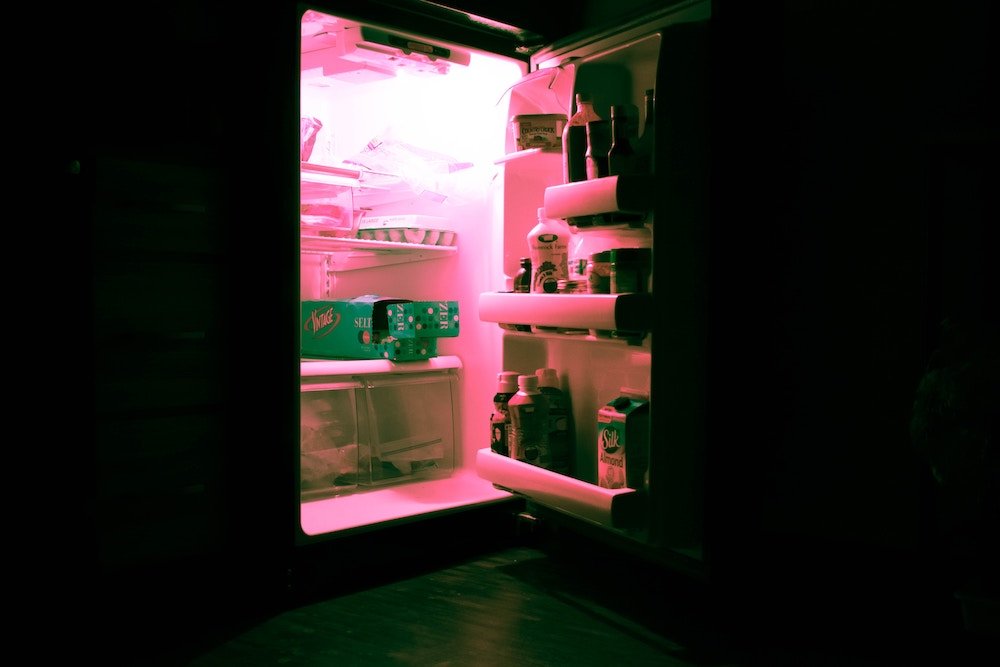
Just as a disorganized, cluttered kitchen can discourage you from cooking, so can a disorganized, crowded fridge. My top reasons to be more of a minimalist in the refrigerator-stocking department.
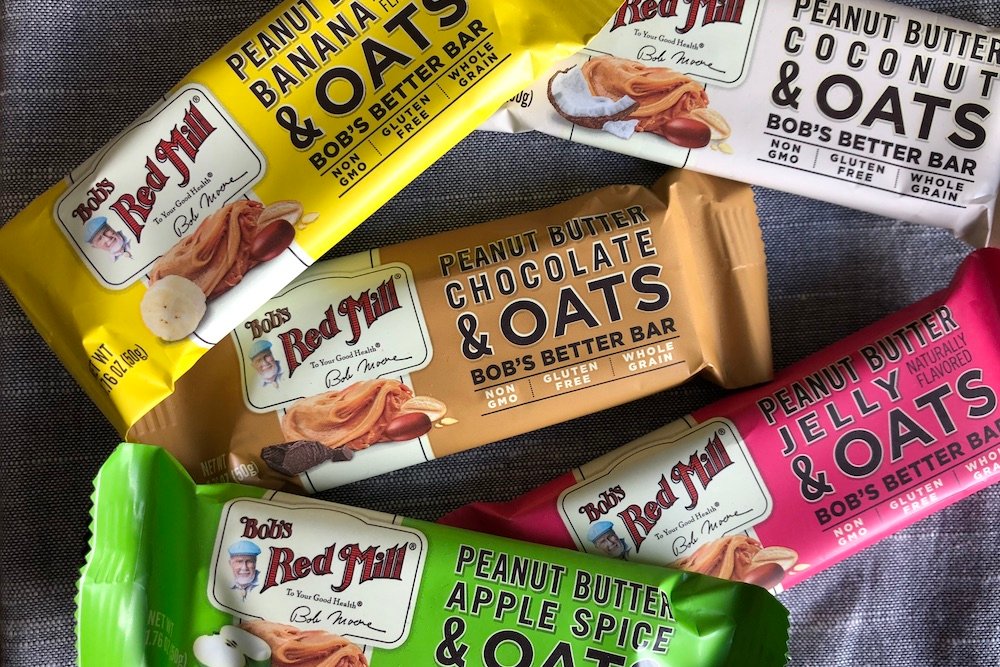
I like my bars to be as “real food” as possible—ideally, when I look at the list of ingredients, I think to myself, “I could make something like this at home if I had the time and inclination.” Bob's Better Bars fit the bill.
I'm thrilled to appear in the current episode of the Food Psych podcast, hosted by fellow Intuitive Eating and anti-diet dietitian Christy Harrison. In this interview, I talk about the origins of my own food and body issues that began in early childhood, my history of chronic dieting, and my movement to a Health At Every Size philosophy.
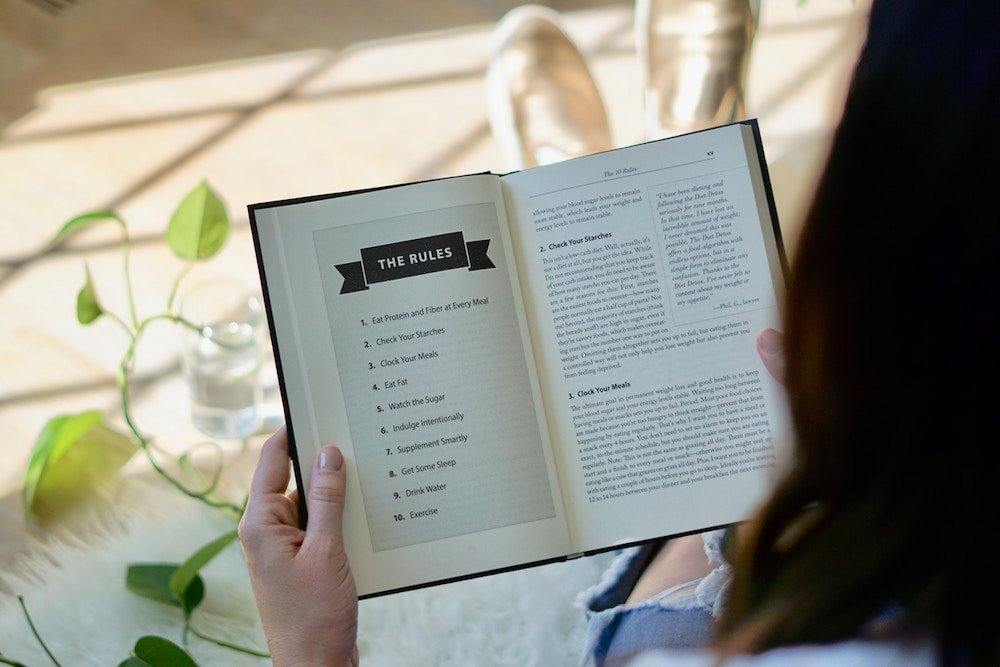
Are you a rules follower? For most people, setting rigid nutrition rules can do more harm than good. In some cases, the harm could be physical. In other cases, the harm could be mental/emotional. Having default behaviors is a better, gentler alternative to rules.
As a registered dietitian nutritionist (RDN) who sometimes writes about controversial nutrition topics, I’ve noticed a pattern to some of the online comments I receive. Namely, they dismiss me and my words because I’m a dietitian. Often, they go further and dismiss all dietitians. Here are five of the biggest myths I hear.
If not dieting, then what? That question tends to loom heavy in your mind when you've decided it's time to get off the diet rollercoaster, but aren't sure what life after dieting would look like. And there are many reasons for saying goodbye to dieting, a.k.a. the intentional pursuit of weight loss.
There are a lot of books about nutrition and health that offer big claims. Red Pen Reviews offers nuanced reviews of those claims, by highly qualified reviewers
Research shows that self-compassion is important for mental and emotional health and well-being as well as for physical health. Learn how to cultivate more self-compassion in your own life.
Here's the text of the speech I gave for the 2019 Seattle Go Red for Women luncheon, in which I talk about the importance of trusting ourselves and our bodies
If this blog were to have a theme this week, I would have a tough time deciding between “weight bias” and “trust.”
Last week I traveled to Florida, which was fabulous because I’m a bit sick of
Self-esteem isn’t new, but a “self-esteem movement” of sorts started back in the 1970s, predicated on the idea that many of society's problems were due to individuals’ low self-esteem. Well, this was a failed experiment, and there are a few reasons why.
I'm heading to sunny San Diego to attend the Be Body Positive facilitator training. But what does it mean to be "Body Positive" and is that realistic for everyone?
To wrap up this series on mindfulness and mindful eating (which grew from four posts to five, because I realized I had a lot to say), I’ll take a stab at answering some common questions I get about mindful eating.
I love to cook, but I’m also busy, and sometimes those two facts of life don’t merge neatly. Especially when working out of a small galley kitchen in a rental apartment, for the time being.
In my second post in this five-part series, I talked about the benefits of mindfulness, and how mindfulness meditation is the most important practice to help you build your “mindfulness muscle.” Mindfulness meditation is at its heart a form of attention training. With regular practice, meditation makes it easier to return your attention where you want it to be.
In my first post in this series on mindfulness and mindful eating, I talked about the benefits of mindful eating. In this post, I get into some mindful eating tips and strategies you can try immediately.
When asking, “Why cultivate mindfulness?” first consider that when our default is mindlessness, it’s easy to be controlled by our thoughts and not even notice.
It’s no secret that mindful eating—and mindfulness, generally—is hot, hot, hot. But to view mindful eating as the latest trend is to ignore that mindfulness itself has a very long tradition—2,500 years or so—and has a lot of modern science to back it up. I look at some mindful eating benefits, and explain why some purported benefits aren't in line with the science on—or the spirit of—mindfulness.
I have a mantra when I exercise: “Exercise to be strong, not smaller.” It’s what gets me through on those days when body image is not exactly in peak form, as I dare say is the case for everyone, at least from time to time. It’s also a way of continuing to deprogram myself from decades of believing that the primary benefit of exercise was weight loss.
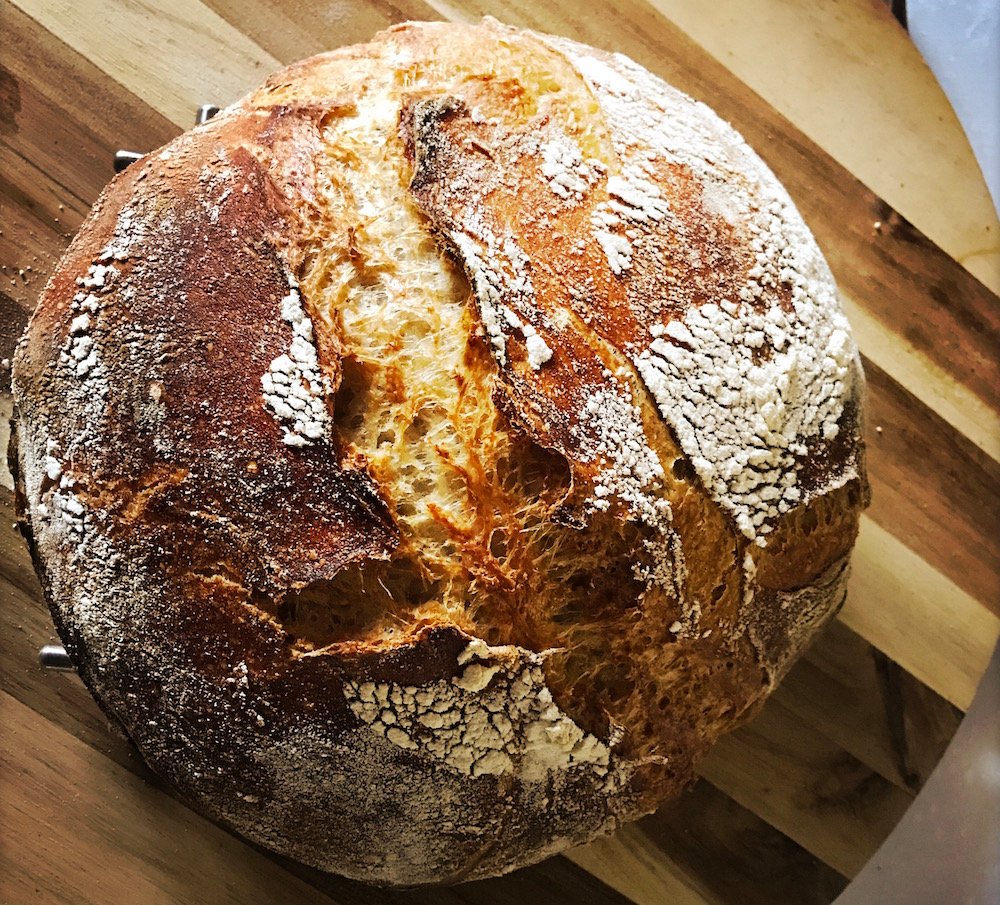
My thoughts on modern bread myths and modern breadmaking, with a link to a very comprehensive article I wrote recently, plus resources if you want to make your own awesome bread at home.
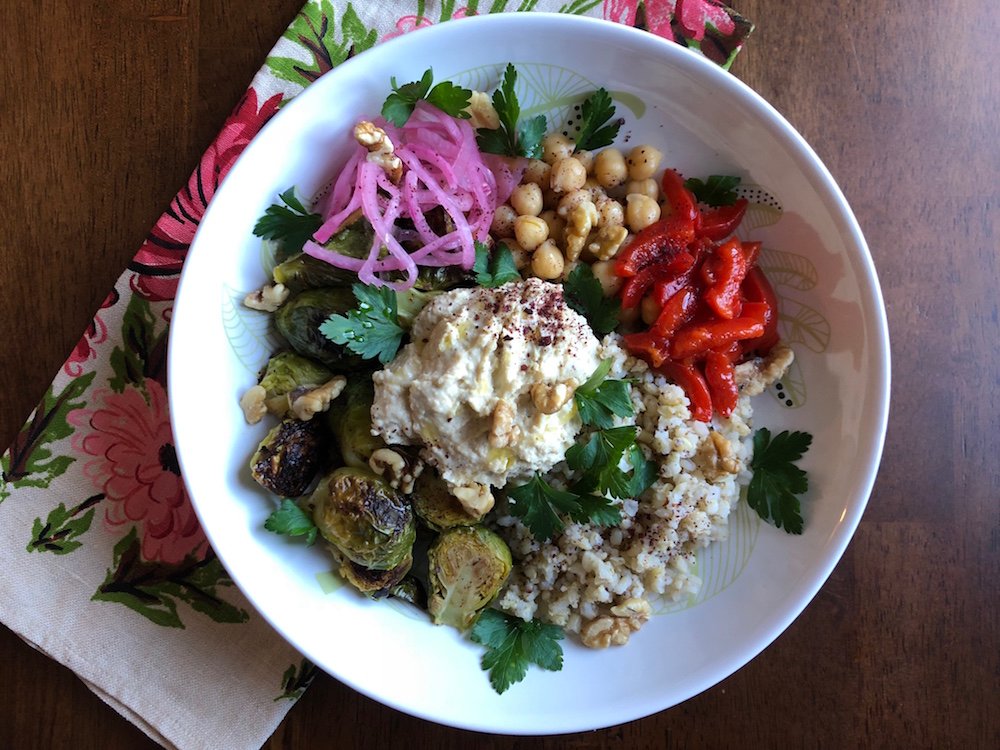
My latest column in The Seattle Times is about grain bowls. While grains are the featured player in this food symphony, beans also play an integral part in the bowls I prepare at home. Does it matter if you used canned beans, or cook your own beans from dried? Let's discuss.
My recent house move meant a dip in physical activity, which left me a bit deconditioned. How I got back to fighting form, without injuring myself or falling prey to mental traps, and how this is important for any type of habit formation.
It’s been a long time since I’ve posted on my poor, long-suffering blog. Let me tell you about why that is, why that is about to change—and why I’m finally walking my talk. Some updates on where I've been, and where I'm going.
I attended the Association for Size Diversity and Health conference a few weekends ago. I've been processing ever since. My thinking about sizeism and how it intersects with racism, sexism, classism and a whole lot of other -isms certainly evolved in this weekend, in part because of the words of Linda Bacon.
I'm in Portland this weekend at the Association for Size Diversity and Health conference, which I'm totally excited about, and not just because the speakers include Linda Bacon, author of Health At Every Size: The Surprising Truth About Your Weight, and Christy Harrison, host of the "Food Psych" podcast.
Are you pregnant or the mother of a young child? Consider participating in some research my dietitian friend Rebecca Scritchfield, author of Body Kindness, is doing regarding body image healing after pregnancy. If those parameters don't apply to you? I recommend reading her book, anyway!
It's official...my book Healthy For Your Life is published. I received the proof copies on Wednesday, and they looked good, so I approved them for printing (and we drank some Prosecco to celebrate).
Yikes...it's been a while since my last post. Like. That time went by thisfast. Among other things, I've been hard at work finishing my book, which had been languishing in 95-percent-done mode for several months. Naturally, I decided to rewrite parts of it, and add a bunch of new material. Well, I'm happy to announce that "Healthy for Your Life: A holistic approach to optimal wellness" is done!
I'm in Boston at the Nutrition & Health Conference, put on by the University of Arizona Center for Integrative Medicine. Before his talk yesterday, center founder Dr. Andrew Weil showed this video, which sums up perfectly the confusion (and frustration) so many people feel in response to changing dietary advice. Enjoy!
To state the obvious, I have not been blogging regularly, and that's largely because I
Addressing some comments about my latest On Nutrition column in The Seattle Times, which took aim at Weight Watchers' targeting of teens but also carried the broader (and somewhat overlooked) message that wellness should be promoted for everyone, at every weight.
Weight Watchers announced last week that it would offer free memberships to teens ages 13 to 17. Yeah...I have a few thoughts on that.
So, I was minding my beeswax the other night when an angry email from a researcher popped into my inbox. He did not appreciate the vague reference (I did not mention the title, the publication, or the researchers names) to one of his studies in my Seattle Times column that had JUST been posted to the Times website that day. Dude must be part bloodhound.
I am notorious (at least in my own mind) for signing up for online summits, attending almost none of the sessions, and feeling guilty and stressed. To my great joy, the Mindfulness & Meditation Summit I've been listening to for the past week is completely different. I'm excited to share some highlights.
I recently had a rather heated discussion with someone near and dear to me about the alleged association between higher body weights (body mass indexes, or BMIs, in the "overweight" or "obese" ranges) and health problems. Let's just say that if our walking route had taken us a little closer to Lake Washington, I might have tossed him in.
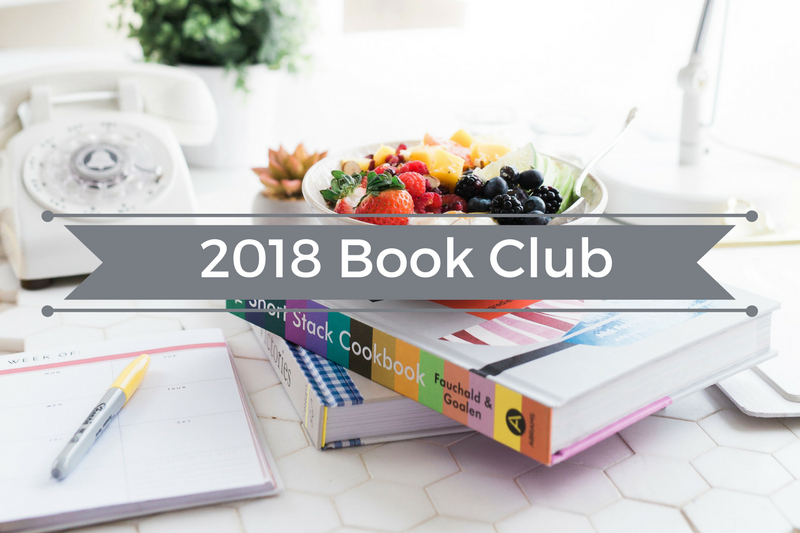
I've toying with the idea of doing an online book club. Well, this is the year for less toying, and more doing. Welcome to the Nutrition By Carrie 2018 Book Club!
I want to talk about something that I've been thinking about—a lot—and that's been bothering me...a lot. Namely, the idea that you (or anyone else) needs to change your body to meet someone else's ideals.
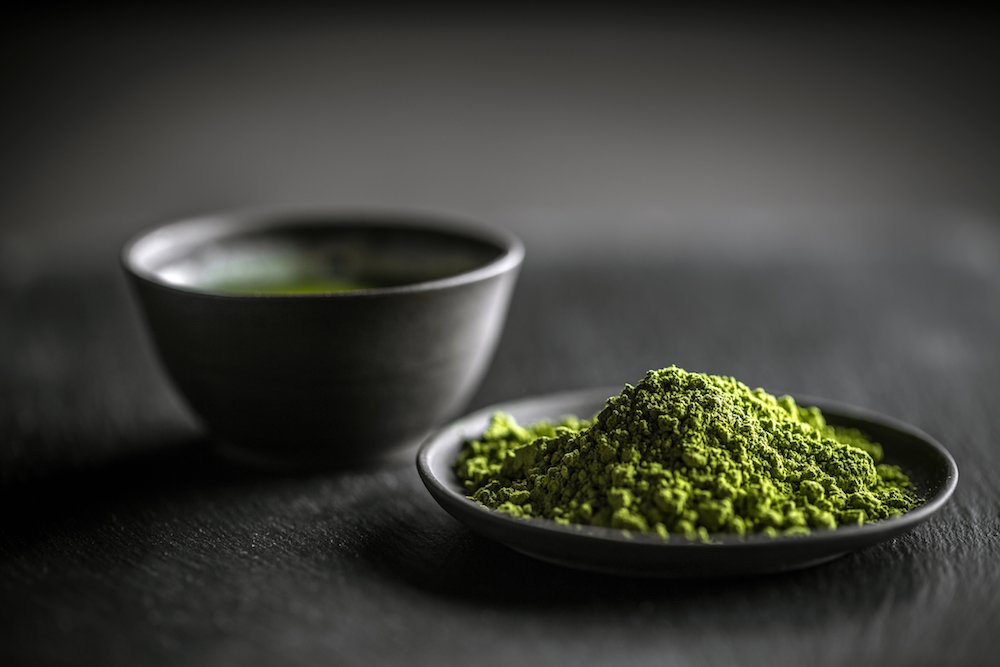
I’ve been wanting to try proper matcha green tea at home for a long time—and not just because I was mesmerized the first time I watched someone add water to the beautiful green powder and whisk to create the tea—but never had. I finally got off the matcha fence when Kiss Me Organics offered to send me some of their USDA Certified Organic Ceremonial-Grade Matcha to try, which I did...with my own cute little bamboo whisk.
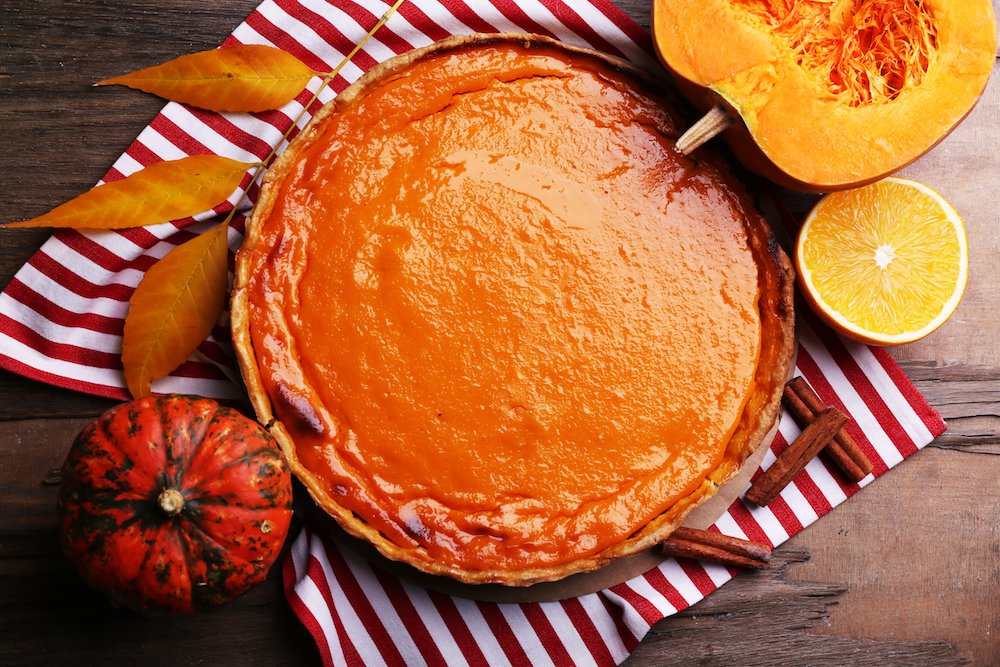
Thanksgiving is just around the corner, and in many of my patients, I see a mixture of joy and angst. Much of that angst is because holiday meals have a reputation (often earned) for being indulgent and less-than-nutritious. But when you stop and take a closer look, there are many perfectly nutritious foods that we traditionally serve during the fall and winter holidays.
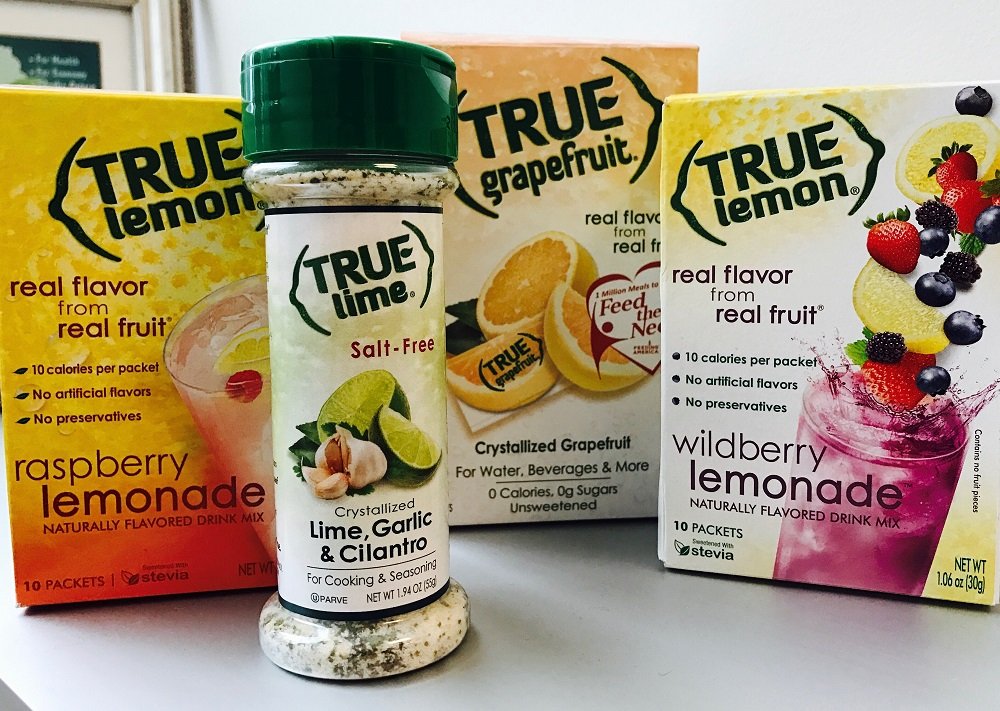
I have a confession to make: I'm a water drinker. Still water by day, sparkling water after work. It is my beverage of choice. But I know that not everyone feels the same about water. If that's you...I have a solution.
In my article this month for The Washington Post, “The totally unsexy path to healthy eating (and why we’re not following it),” I touch on an unfortunate fact about nutrition science. Namely, that more often than not it’s not exactly groundbreaking.
I was checking my email and raised an eyebrow at one of the subject lines: "This harmful ingredient lurking in everyday foods!" After, "How in the hell did I get on this woman's email list?" My next thought was, "What is this alleged harmful ingredient, and how irritated will I be when I find out what it is?" Allow me to debunk this nutrition pseudoscience.
As I expected, I received quite a few emails related to my column in Sunday's Seattle Times on the documentary "What the Health?" Rather than answer the emails individually, I'm turning them into this admittedly rather loooong blog post.
As with most ways of eating, there are a lot of Mediterranean diet myths. And if you are a reader of my blog and newspaper/magazine articles, you know I love busting myths! Here are some of the biggest misconceptions I hear.
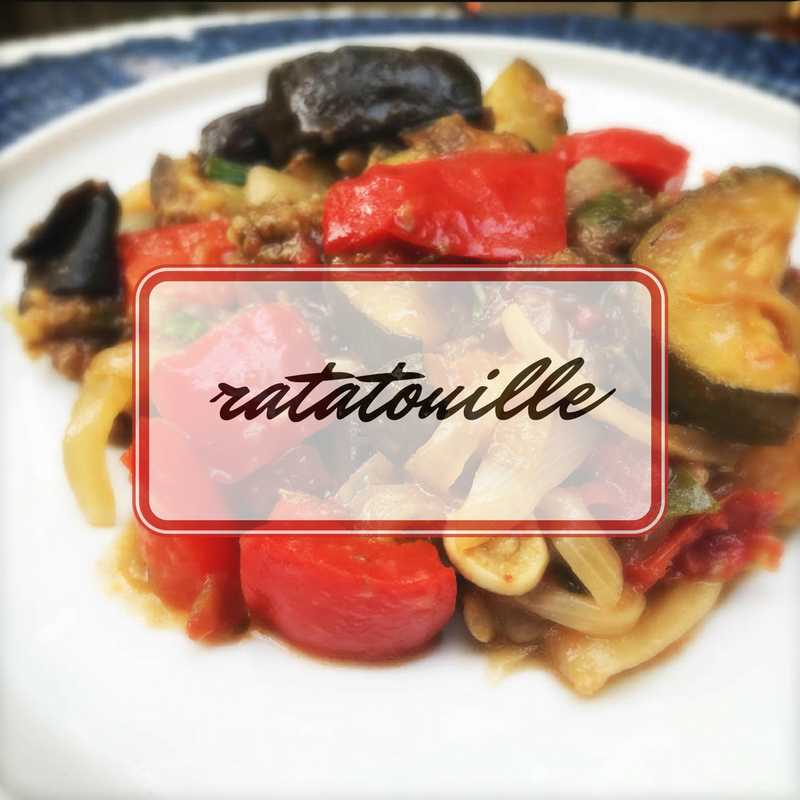
There are certain Mediterranean dishes that just scream "summer" and ratatouille is one of them, although honestly this dish will work any time of year, even if the staple ingredients—eggplant, zucchini and tomatoes—are not in season. I enjoy making a big batch that I can eat for days, especially when it's too hot to want to cook every evening.
If' you've watched the pseudo-documentary "What the Health?" or have heard an earful about it from friends or family, check out the interview I did on the "All Sides with Ann Fisher" radio show on Ohio's WOSU NPR affiliate.
One of the unfortunate side effects of living in a dieting, weight-centric culture is that much of the value of eating well and being active gets wrapped up in the question, "Will this help me lose weight?" Our bodies are complex things, and there is never any guarantee that positive inputs (nutritious food, regular movement, adequate sleep, self-care) will lead to weight loss.
The reaction to my latest On Nutrition column, "Has your diet become your religion? How to balance your food choices," has been interesting, as I suspected it would be. I've had some lovely emails, and a few that were, well, less lovely. Not surprising, since food and religion are both hot-button topics for some.
I love it when I see an intriguing recipe and I have everything for it on hand! When the latest email from Oldways landed in my inbox last week with the subject line "Fruit can be savory, too" I was hooked. I clicked on the link and saw the recipe for the Sorghum & Blues Salad and I said "I must make this."
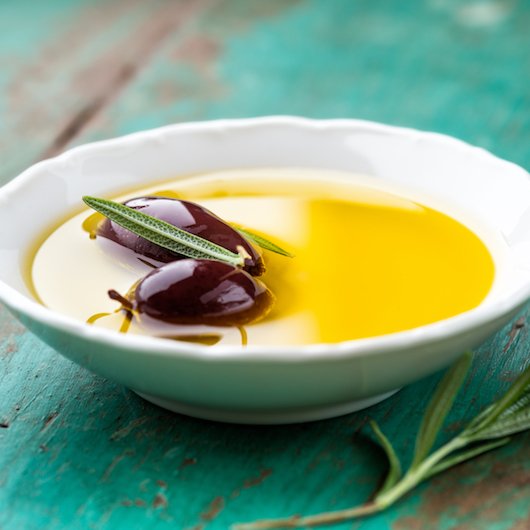
My latest On Nutrition column in The Seattle Times, "Coconut oil: It's really not that good for you," is my attempt to set the record straight on whether we should be eating coconut oil with abandon (hint: we shouldn't). As a result, I received a number of questions via email regarding my suggestion in that column to use olive oil as a primary cooking fat.
I blogged about my recipe for rustic gazpacho when I first adopted it into my repertoire back in 2014. Much like ratatouille (more on this soon), it inexplicably fell out of favor after a few intense years. How fortuitous that I was re-inspired to make this fresh, lovely, easy soup as I was flipping through Nancy Harmon Jenkins "Virgin Territory: Exploring the World of Olive Oil" before giving a talk on the Mediterranean diet.
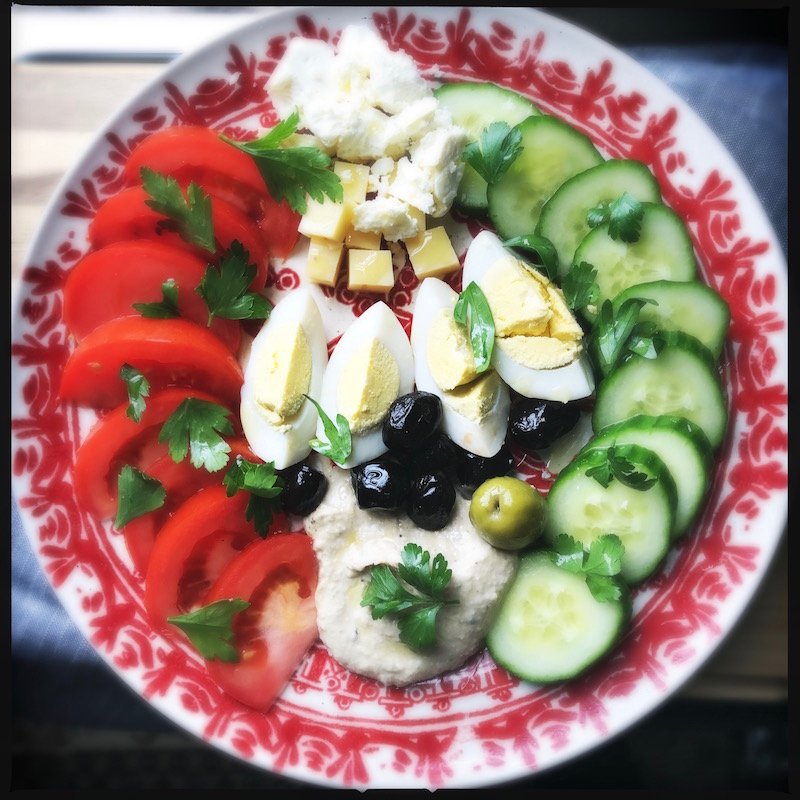
I have a handful of regular breakfast options in my rotation, but one of my favorites is what I call "Turkish Breakfast," which is inspired by the hotel breakfast we had during our stay last year in Istanbul. It's not only flavorful and satisfying, but quite nutritious!
Do you sometimes feel that you are pulled between two choices: one that satisfies an immediate impulse and one that you know in your heart of hearts will bring you greater benefits, even if you don't feel the effects immediately? When you feel that internal tug-of-war, ask yourself "What would be the kindest choice?"
I don't remember exactly when I first heard of hygge (HOO-geh)...sometime last year I think. My first thought was that this was the next trend to replace the "life-changing magic of tidying up." My second thought was that I was intrigued.
Happy Friday! I had every good intention to put together a "Links I Like" post
Hello there, it's been a while. I didn't intend for it to be a while, but all the extra moving parts in my life since mid-April (speaking engagements, lots of travel, a new puppy) on top of my usual moving parts (work, home, writing) kept blogging on my "to-do" list instead of on my "done!" list.
When I create a recipe for my blog or my newspaper column, I could calculate calories, carbs, fat, protein and so-on, but after a significant amount of thought, I decided not to, and here's why.
These delicious, satisfying muffins are dense without being heavy, and very moist and flavorful. While the whole-wheat pastry flour packs fiber of its own, I’ve bumped it up with the addition of oat bran and whole oats.