
Last week, I wrote about hunger scales, how they can help and who they might not work for [1]. This week, I’m writing about understanding hunger hormones, including the common-but-false idea that we should wrestle them into suppression.
Do you feel like you are always hungry? It’s easy to think you should be able to control, or ignore, your hunger, but that’s easier said than done. Your body produces more than a dozen hormones that play roles in promoting or suppressing hunger. Many are produced by your brain, while others are produced in other parts of your body. One hormone may activate or block another hormone, and many have additional roles, such as regulating digestion. Understanding hunger hormones — or at least understanding that we don’t know everything about them, yet — makes it clear that this is an area we don’t have control over.
Beyond leptin and ghrelin
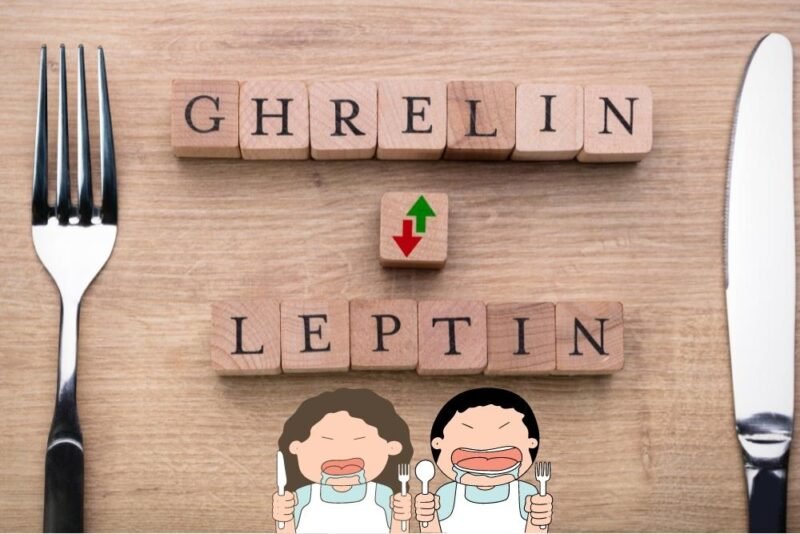
Think “hunger hormones,” and leptin and ghrelin might come to mind:
- Leptin [2] — a satiety hormone produced in our fat tissue — suppresses hunger by signaling the brain that the body has enough stored energy. Levels are highest overnight and are also affected by how long ago you ate and how well you sleep.
- Ghrelin [3] is produced in the stomach, and levels rise before meals to signal hunger, then fall quickly after eating and stay low for about three hours. Because ghrelin is a “short-acting” hormone, it isn’t affected by what you ate yesterday. And if you ignore hunger, ghrelin levels will continue to rise, leading to primal hunger.
Generally speaking, leptin levels are lower in people in thinner bodies and decrease with weight loss. But some people in larger bodies with more fat tissue develop a resistance to leptin’s appetite-suppressing effects. They may also respond more have a stronger hunger hormone response. It’s not clear how many people experience this, or whether it causes weight gain or happens because of weight gain. What is clear is that it makes weight loss difficult.
Although ghrelin and leptin get most of the attention when talking about hunger hormones, it’s important to know that these are only two hormones among many more that scientists are trying to understand. In other words, while hunger can be simple, it’s also complex and we’re continuing to learn about it.

Why hunger is normal
If you fear hunger or feel like you need to control or suppress it, you’re not alone. That said, hunger is a natural biological cue that works to keep us alive. Just as we respond to other signals our body gives us — such as going to the bathroom when we feel the urge to urinate — we need to respond to hunger in the same way, by eating.
Early signs of hunger include an empty feeling in the stomach, or growling sounds. But if you ignored your body’s hunger cues — perhaps because you’re busy, or simply don’t trust that you need to eat — you may become dizzy, lightheaded, or unable to focus or concentrate. You might even feel nauseous or physically ill. Ideally, we notice and respond to earlier signs of hunger before we get to these extremes, but that’s easier for some people than for others.
Headlines suggesting that we ‘trick’ or ‘outsmart’ our hunger hormones abound. Not only is this deceptive, but it implies that we have more control over these hormones than we likely do. It’s just one more example of the myth of personal responsibility, the idea that we alone can and should “manage” our bodies and our health in ways that are deemed “appropriate.”
Rather than trying to “trick” our bodies, we should practice listening to our bodies and learning the best ways to work with them. Fighting our bodies is wasted effort, and destined to fail.

Why mind over matter doesn’t work
While you can’t “outstmart” your hunger, you can eat in a way that both honors and manages it. Here are some general tips:
- Eat breakfast. Eating breakfast can help stabilize hunger for the entire day. Include some protein, such as eggs, beans, nuts or Greek yogurt.
- Eat on a schedule. When you go too long without eating, you may become so hungry that you end up overeating. Most people do best with three meals, plus a snack if you go more than about five hours between any two meals. This schedule doesn’t have to be rigid…if you are hungry earlier than expected, you can certainly eat!
- Eat balanced meals and snacks. When you include protein, carbohydrates and fat in your meal or snack, you cover your bases, as each of those macronutrients stimulates release of different satiety hormones. Unprocessed carbohydrates rich in fiber or resistant (nondigestible) starch — such as beans, lentils, whole grains or sweet potatoes — are best for this job, but that doesn’t mean you should shun other forms of carbohydrates that bring you pleasure, joy and satisfaction.
- Think volume. Including water- and fiber-rich fruits and vegetables in your meals boosts nutrition and helps you stay satisfied longer. (Note: This doesn’t mean that’s all you should eat! Each of us needs protein and fat for nutrition and both physical and sensory satisfaction.)
- Get adequate sleep. Some research suggests that when we short ourselves on sleep, our ghrelin levels will be higher the next day. Most adults need seven or eight hours per night.
- Engage in regular physical activity. Not only is this good for your overall health, but it can increase levels of certain satiety hormones and reduce leptin resistance. (Note: engaging in exercise / physical activity / movement is a choice, not a moral imperative, and the “right” form of movement is the form that works for your body, your schedule and your preferences.)

The bottom line
All of this said, there’s no one-size-fits-all approach. The best approach for you is the one that works for YOU. Finding that approach means practicing listening to your body.
When you become skilled at tuning into your hunger cues, and distinguishing between gentle, moderate and ravenous hunger, you can then explore what it might mean if, say you aren’t as hungry today as you were yesterday. What was different? Timing? The amount you ate? What you ate?
Sometimes there’s no rhyme or reason to why hunger levels are different (as anyone who tends to repeat the same meals for a few—or several—days in a row has likely discovered). However, when we get curious, you might discover that when you have Meal A for lunch, it satisfies you longer than when you have Meal B. That doesn’t mean you can never have Meal B, but if you know you need to eat something that doesn’t leave you hungry an hour later and searching for a snack (not that there’s anything wrong with that) you can plan your meals more confidently.
Disclaimer: All information provided here is of a general nature and is furnished only for educational purposes. This information is not to be taken as medical or other health advice pertaining to an individual’s specific health or medical condition. You agree that the use of this information is at your own risk.
Hi, I’m Carrie Dennett [4], MPH, RDN, a weight-inclusive registered dietitian, nutrition therapist and body image counselor. I offer compassionate, individualized care for adults of all ages, shapes, sizes and genders who want to break free from eating disorders, disordered eating or chronic dieting [5]. If you need to learn how to manage IBS symptoms [6] with food, or improve your nutrition and lifestyle habits [7] to help manage a current health concern or simply support your overall health and well-being, I help people with that, too.
Need 1-on-1 help for your nutrition, eating, or body image concerns? Schedule a free 20-minute Discovery Call [8] to talk about how I can help you and explore if we’re a good fit! I’m in-network with Regence BCBS, FirstChoice Health and Providence Health Plan, and can bill Blue Cross and/or Blue Shield insurances in many states. If I don’t take your insurance, I can help you seek reimbursement on your own. To learn more, explore my insurance and services areas page [9].