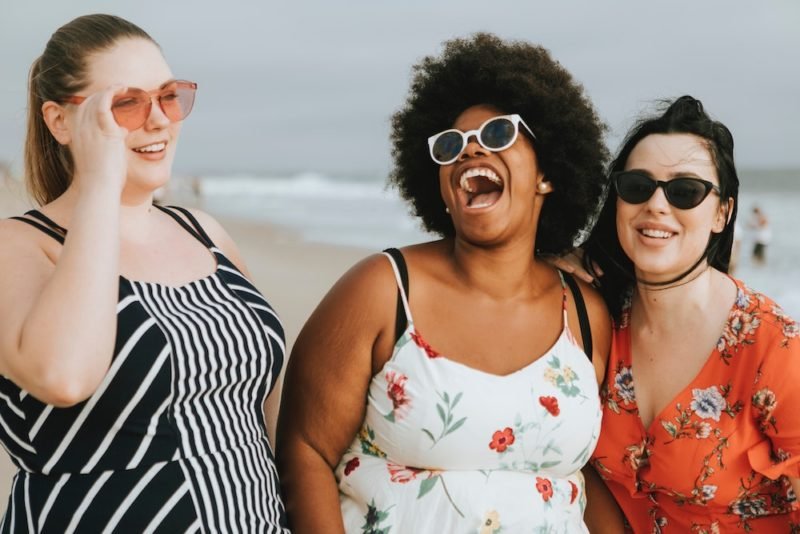
What are your thoughts about “body positivity?
- “It’s wonderful! It changed my life!”
- “It’s an idea I’m working on incorporating into my life…and some days are better than others.”
- “Feel positive about THIS body? Yeah, right.”
- “If I feel positive about my body the way it is, I’ll have no incentive to exercise.”
I want to discuss the term “body positivity,” including why (I think) it’s great, on one hand, and problematic, on the other hand.
A brief body positivity origin story
The notion of body positivity more or less sprang from two major sources:
- One is psychologist Deb Burgard, one of the founders of the Health At Every Size [1] model (her self-admittedly dated website is BodyPositive.com [2], which shows you how early she was to this idea, and she’s @BodyPostivePhD on Twitter and Instagram).
- The other is The Body Positive [3], a Berkley-based nonprofit founded in 1996 that works to end the harmful consequences of negative body image. These consequences can include eating disorders, anxiety, depression, substance abuse, cutting, suicide and relationship violence. The Body Positive began their work with teens and young adults, but have since expanded their vision. (P.S. I have trained with them and became a licensed Be Body Positive facilitator last year.)
The idea of body positivity, as these women introduced it, is deep and real. It acknowledges how challenging it is to feel anything other than disdain or even hatred towards our bodies in the culture we live in. That’s the “great” part. Now for the “problematic” part.
Taking a good idea, and ruining it
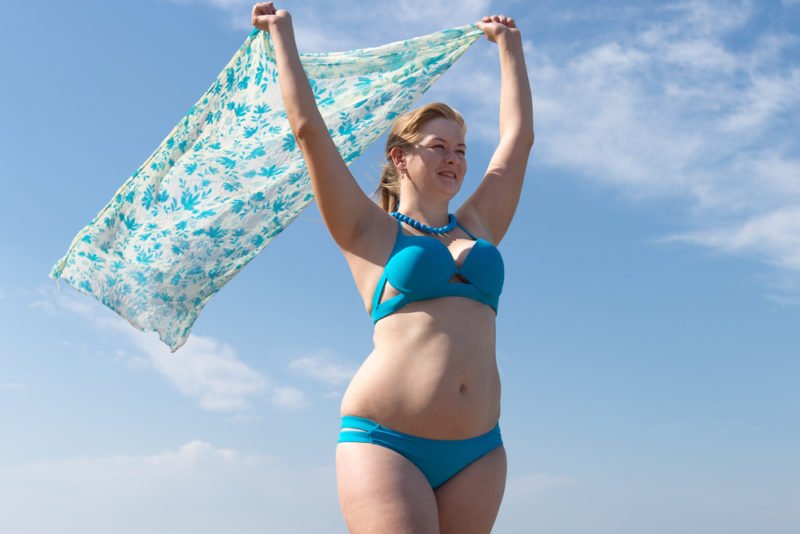
Like many good things, body positivity has been co-opted by advertisers and social media influencers. Look at the hashtags #bodypositive or #bopo on Instagram, and you’ll find many images of thin young women and men who clearly put a lot of time and energy into manipulating their body shape and size into what this culture deems attractive. (“Yep, your butt sure looks perky in that selfie. Thanks for sharing.”)
Another common type of image is young women in thin bodies showing a photo of the tiny roll of flesh around their waist that appears when they are sitting down or bending over, with a caption about how much they “accept” or “love” their rolls.
Now, people of all shapes and sizes can have horrible body image, and therefore can benefit from body positivity. However, the body positive movement was not intended to glorify six-pack abs. Heck, our society already does that! Taking body positivity in this direction brings the subtext that body positivity is only allowed for certain bodies.
Another problematic aspect of body positivity is the idea that we should love our bodies. All the time! (Wait…you don’t? What’s wrong with you?)
This is an idea that has also come from the movement being co-opted. Let’s get real: Even if you feel good about your body (even love it) most of the time, you are not going to feel that way all the time. There are going to be days where you look and the mirror and think, “Ugh.” There are going to be days when you feel stiff or sore and definitely not in love with your body.
If you have come to believe that you are supposed to feel positive about your body all the time, then on those days you don’t you’ve just discovered another way to feel like you’ve failed. It’s like diet culture déjà vu.
Shifting the frame
Because of the problems I just mentioned, many body positive and Health At Every Size advocates have suggested other words to use to help reframe what is actually a very health-promoting idea (more on this in a moment).
- Body neutrality can feel like a do-able first step for those who have spent years (or decades) seriously berating their bodies. It’s a shifting away from body hate to literally feeling just neutral. Not hate, not love, but the space in between. Think of it as a resting place, or a landing pad, while you consider the next step in your journey, while you move away from talking about weight and making decisions based on how it might affect your weight.
- Body respect shifts from your body’s appearance to its function. Each of us has a body to carry us through life (although how this looks varies based on our individual physical abilities) and that is an amazing thing.
- Body acceptance is similar to body neutrality in some ways, but I think acceptance is more peaceful, probably because the notion of acceptance is part of mindfulness (including mindfulness meditation).
- Body liberation is freedom from other people’s expectations about your body (“other people” could be specific people, or society at large). It leaves room for you to love your body, but doesn’t require it. It rejects the idea of beauty standards—including “ideal” body sizes—serving as social currency.
But is it bad to feel good about your body?
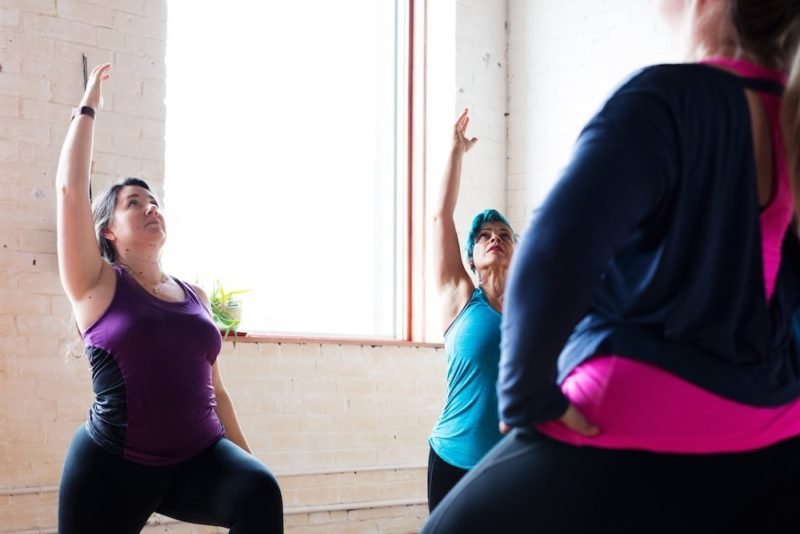
Something I hear way, WAY too often is this: “If fat people feel too good about their bodies, they won’t try to lose weight.” Let me dissect this statement.
First, research shows that when we feel bad about the size or shape of our bodies (internalized weight stigma), not only is this not good for our mental or physical health. Poor body image and internalized weight stigma are linked to all of the things I mentioned above when talking about the work The Body Positive organization does.
When people feel bad about their bodies, they are LESS likely to engage in health-promoting behaviors such as:
- Be physically active
- Make and maintain social connections
- Nourish their bodies with good food
- Get regular preventive health care
When people feel bad about their bodies, they are MORE likely to engage in unhealthy behaviors such as:
- Smoking
- Drug use
- Excessive drinking
- Risky sex
- Not wearing a seatbelt
- Are you getting a sense that poor body image is a bad, bad thing?
Here’s another way to think about it: How much care, compassion and affection do you show to people you like (or love), vs. people you dislike (or hate)? If you hate your body, and by extension yourself,* how well are you going to care for yourself?
If you’re looking for additional resources, here’s where I would start:
- “Embody [4]” by Connie Sobczak (one of the founders of The Body Positive)
- “Body Respect” by Lindo Bacon, PhD and Lucy Aphramor, PhD, RD
- The new edition of “Intuitive Eating [5],” by Evelyn Tribole, MS, RDN, and Elyse Resch, MS, RDN
*As common as it is to go through the world like our heads and our bodies exist separately, the unfortunate fact is that our feelings about ourselves are often driven by our feelings about our bodies…just ask anyone who’s stepped on a scale and not liked the number they see).
Disclaimer: All information provided here is of a general nature and is furnished only for educational purposes. This information is not to be taken as medical or other health advice pertaining to an individual’s specific health or medical condition. You agree that the use of this information is at your own risk.
Hi, I’m Carrie Dennett [6], MPH, RDN, a weight-inclusive registered dietitian, nutrition therapist and body image counselor. I offer compassionate, individualized care for adults of all ages, shapes, sizes and genders who want to break free from eating disorders, disordered eating or chronic dieting [7]. If you need to learn how to manage IBS symptoms [8] with food, or improve your nutrition and lifestyle habits [9] to help manage a current health concern or simply support your overall health and well-being, I help people with that, too.
Need 1-on-1 help for your nutrition, eating, or body image concerns? Schedule a free 20-minute Discovery Call [10] to talk about how I can help you and explore if we’re a good fit! I’m in-network with Regence BCBS, FirstChoice Health and Providence Health Plan, and can bill Blue Cross and/or Blue Shield insurances in many states. If I don’t take your insurance, I can help you seek reimbursement on your own. To learn more, explore my insurance and services areas page [11].